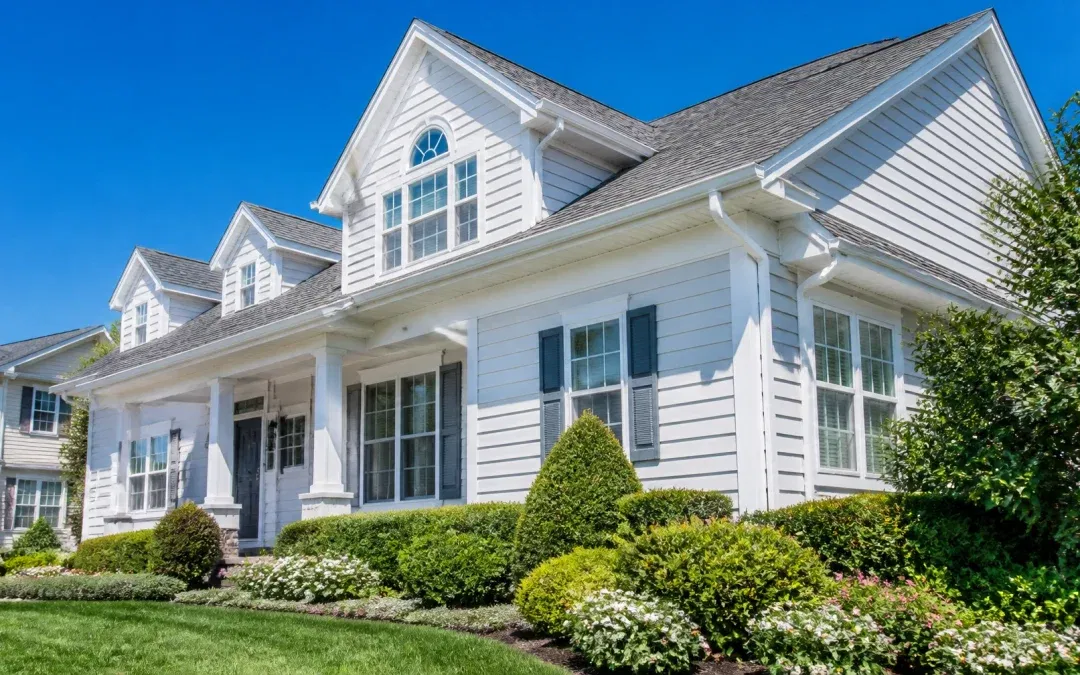
Fall is a practical time to clean your home’s exterior before colder weather arrives. Long Island homes in Nassau and Suffolk County face salt air, humidity, tree debris, rain, and seasonal organic growth. These conditions can leave mold, mildew, algae, and dirt on siding, roofs, decks, fences, and masonry.
Choosing the right soft washing company requires more than comparing prices. Review the cleaning method, surface knowledge, property-protection procedures, quote details, and local experience before you schedule service.
Start by Understanding Soft Washing
Soft washing uses cleaning solutions and controlled water pressure. The solution breaks down organic growth. The technician then rinses the surface without relying on excessive force.
Traditional pressure washing uses higher water pressure to remove dirt from durable materials. It is commonly used for concrete, some brick, pavers, and other hard surfaces.
The correct method depends on the material.
- Use soft washing for vinyl siding, painted wood, stucco, cedar, roofs, and many fences.
- Use controlled cleaning for brick and masonry.
- Use surface-appropriate methods for decks and other wood structures.
- Use higher pressure only when the material can safely handle it.
A qualified contractor should inspect the surface before selecting equipment or chemicals. Do not accept a proposal that uses one pressure setting for the entire property.

Check Which Surfaces the Company Can Clean
Ask the company to identify the method for each surface included in your project.
Vinyl Siding
Vinyl siding can collect green algae, black mildew spots, pollen, salt residue, and runoff stains. High pressure may force water behind panels or damage seams and trim.
A soft washing process is usually more appropriate. Ask how the company will clean around windows, doors, vents, electrical fixtures, and loose panels.
Brick and Masonry
Brick can often tolerate more pressure than vinyl siding. However, mortar joints, older brick, painted masonry, and damaged areas require care.
Ask whether the contractor will adjust the pressure for the age and condition of the brick. Confirm whether joint sand or loose mortar could be affected.
Stucco and Painted Surfaces
Stucco is porous. Painted surfaces can peel or show marks after aggressive cleaning. Both require controlled application and rinsing.
Ask the contractor to inspect cracks, failed caulk, peeling paint, and other existing defects before starting.
Cedar and Other Wood Siding
Cedar shakes and painted wood require a low-pressure approach. High pressure can gouge wood fibers or remove the finish.
Ask whether the quote includes only cleaning or also staining, sealing, or paint preparation. These services are separate unless listed in writing.
Roofs
Asphalt shingles should not be treated like concrete. High pressure can remove protective granules and damage the surface.
Ask whether the company uses a low-pressure roof-cleaning process. Confirm how it will protect gutters, landscaping, windows, and nearby siding.
Decks and Fences
Wood decks and fences can show algae, mildew, gray weathering, and leaf stains. Cleaning pressure must match the condition of the wood.
Ask whether the company will identify soft, splintered, or damaged boards before cleaning. Request separate pricing for sanding, sealing, or staining if those services are needed.
Ask These Questions Before You Hire a Soft Washing Company
Use the same questions for each contractor. This makes proposals easier to compare.
1. What method will you use on each surface?
Request a specific answer.
Ask:
“Will you soft wash my siding and roof? What method will you use for my brick, deck, and fence?”
A reliable answer should address the material, buildup, access, and condition. Avoid vague statements such as “We use our regular power washing process.”
2. What cleaning solutions do you use?
Ask what type of solution the company applies and how it is diluted. Also ask whether the products are suitable for the surface.
You do not need to select a company based on a product name alone. Focus on whether the technician can explain the process and prevent the solution from drying on glass, paint, metal, or plants.
3. How will you protect landscaping?
Long Island properties often have foundation plantings, shrubs, gardens, and grass close to the exterior.
Ask whether the crew will:
- Pre-wet plants.
- Cover or move sensitive items.
- Control runoff.
- Rinse vegetation during and after the work.
- Protect outdoor furniture.
- Check nearby windows, doors, lights, and outlets.
A property-protection plan should be part of the service. It should not be an afterthought.
4. Are you insured?
Request current proof of liability insurance. Ask whether worker’s compensation coverage applies to the crew performing the work.
Do not assume that every contractor advertising online carries the same coverage. Verify the information before approving service.
5. Can you provide local project examples?
Review photos that show similar materials. Look for complete walls, roof sections, trim, corners, landscaping, and cleanup.
The JMS Pressure Wash photos page provides examples of exterior cleaning work. Use project photos as one part of your evaluation. Also check reviews, references, and the company’s response to questions.
6. What is your fall schedule?
Ask about lead time in Nassau and Suffolk County. Fall schedules can fill quickly after the first heavy leaf drop or extended rain period.
Confirm the weather policy. Ask what happens if temperatures, wind, or rain make the scheduled date unsuitable.
Review What a Fair Quote Includes
A fair quote should identify the work. It should not contain only a total price.
Ask the contractor to list:
- Surfaces to be cleaned.
- Approximate size or square footage.
- Number of stories.
- Cleaning method for each surface.
- Cleaning solutions.
- Plant and property protection.
- Rinsing and cleanup.
- Access limitations.
- Additional charges.
- Expected start date.
- Weather-related rescheduling terms.
- Payment timing.
The quote should state whether gutters, trim, soffits, walkways, patios, decks, and fences are included. Do not assume that a “house wash” includes every visible exterior surface.
JMS Pressure Wash describes its quotes as including labor, cleaning solutions, plant and landscaping protection, and cleanup. Visit the power washing quote page to submit your name, phone number, email, service address, property type, approximate area, preferred date, and service needs.
Providing photos can help a company evaluate access and surface condition. For larger or more complex projects, request an in-person assessment.
Watch for These Red Flags
Use caution if a contractor:
- Recommends high pressure for every surface.
- Cannot explain the difference between soft washing and pressure washing.
- Does not ask about your siding material.
- Avoids questions about insurance.
- Provides only a verbal price.
- Does not identify included surfaces.
- Gives no plan for plants or runoff.
- Promises to remove every stain without inspecting the material.
- Pressures you to book immediately.
- Offers a price far below other detailed proposals without explaining why.
A low quote may exclude plant protection, difficult access, additional stories, or cleanup. Compare the scope before comparing totals.
Why Early Fall Is a Useful Service Window
Early fall gives homeowners time to remove summer buildup before winter.
During summer, siding and other surfaces may collect:
- Salt residue.
- Pollen.
- Dust.
- Algae.
- Mildew.
- Spider webs.
- Irrigation stains.
- Tree debris.
Fall rain can keep exterior surfaces damp. Leaves can collect in gutters, roof valleys, decks, and low areas near siding. Cleaning before the wettest part of the season can help you identify clogged drainage, damaged trim, loose panels, and failed caulk.
Schedule before consistent freezing temperatures. The cleaning solution and rinse water need suitable conditions to work and dry properly. Ask the contractor which weather conditions could delay the job.
You can also combine projects. Request separate line items for house washing, roof cleaning, gutter cleaning, driveway cleaning, deck cleaning, or fence cleaning. Bundling services may reduce setup time.
For related maintenance, review JMS Pressure Wash guidance on power washing tips and concrete cleaning before winter.

Use This Hiring Checklist
Before choosing a soft washing company, complete these steps:
- Identify your siding, roofing, deck, and fence materials.
- Photograph visible algae, mildew, stains, and damaged areas.
- Request at least two written estimates.
- Ask for the method used on every surface.
- Confirm insurance documentation.
- Ask how the crew protects plants and fixtures.
- Verify the included surfaces.
- Confirm the fall scheduling and weather policy.
- Review relevant project photos and customer feedback.
- Save the quote, invoice, and before-and-after photos.
Do not select a contractor based only on the lowest number. Select the company that explains the work, protects the property, and provides a clear scope.
If you need a fall exterior cleaning estimate in Long Island, request a quote from JMS Pressure Wash. You can also use the contact page to describe your property and cleaning needs.
Frequently Asked Questions
What does a soft washing company do?
A soft washing company uses cleaning solutions and controlled water pressure to clean surfaces that may be damaged by aggressive pressure. Common applications include siding, roofs, stucco, painted wood, cedar, decks, and fences.
Is soft washing safer for vinyl siding?
Soft washing is commonly used for vinyl siding because it reduces the need for forceful water impact. The contractor should still inspect the siding for loose panels, cracks, failed caulk, and other defects.
Should brick be soft washed?
Brick may require either controlled pressure or a soft washing process. The correct choice depends on the brick, mortar, age, coatings, and type of buildup.
How much should a soft washing quote include?
A detailed quote should identify the surfaces, cleaning method, labor, solutions, plant protection, rinsing, cleanup, access conditions, and additional fees.
When should Long Island homeowners schedule exterior cleaning?
Early fall is often a useful window. Schedule before heavy leaf accumulation and consistent freezing temperatures. Confirm the timing with the contractor based on current weather conditions.