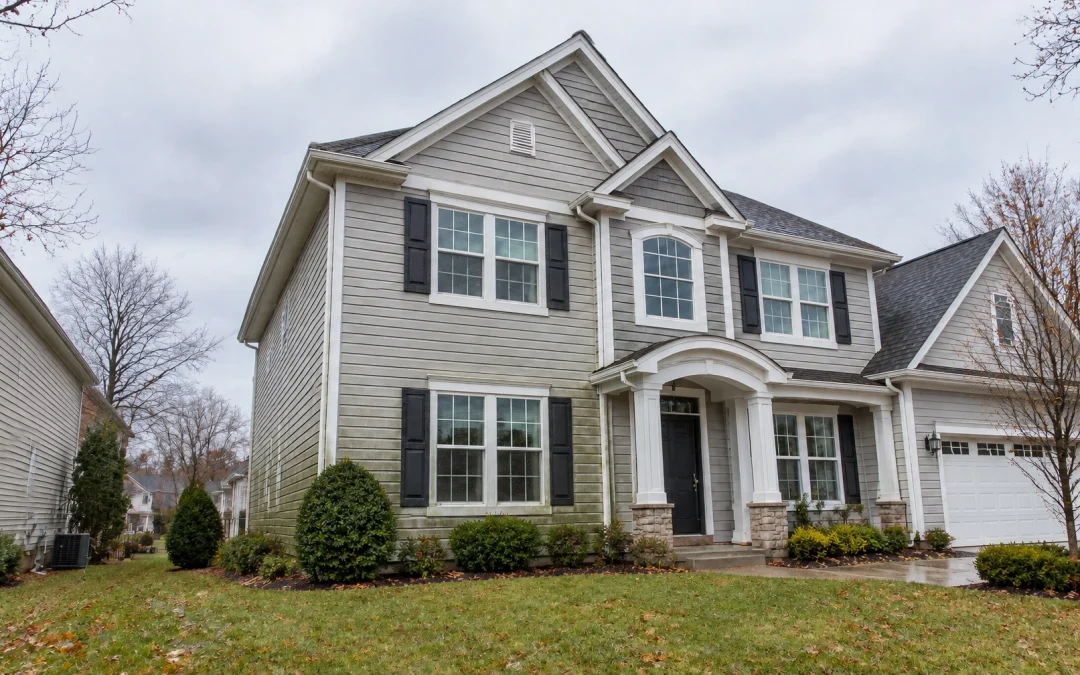
Late October and early November can be a useful window to address mildew and algae on Long Island homes. Peak leaf drop is mostly over, but rain and coastal humidity can keep shaded siding damp. When a surface dries slowly and receives little direct sun, green or dark film can spread across siding, fences, decks, and walls.
Treating visible growth before winter can help limit how much remains on exterior surfaces through the cold, wet months. The key is choosing the right cleaning method and booking during a suitable weather window.
Why mildew shows up in late fall
Rain, damp air, shade, and poor airflow can leave exterior surfaces wet for longer. North-facing walls are especially likely to stay shaded. Overhanging trees and areas near gutters can also slow drying.
After leaves have fallen, homeowners may notice green or dark film on surfaces that were less visible during summer. Check the shaded sides of the house, fence boards, deck rails, and walls under trees. These are common places for organic growth to become noticeable.
The weather still matters. A professional should schedule work for a period when temperatures are safely above freezing and there is enough time for the surfaces to dry. If conditions are too cold or rain is expected during the work, postponing is the better option.
Why a pressure-only wash may not solve the problem
Mildew and algae are living growth on a surface. A forceful water stream may remove the visible film, but it does not necessarily treat the growth that remains attached to the material. That can allow staining to return quickly, sometimes looking darker as it spreads again.
The method should match the surface and the type of buildup. For a closer look at the difference, read Soft Washing vs. Pressure Washing.

What a soft washing company does differently
A soft washing company uses low pressure to apply a surface-appropriate cleaning solution. The solution does the cleaning work; a gentle rinse removes loosened residue afterward. Proper application and dwell time help treat organic growth rather than only stripping away what is visible.
A careful process includes:
- Inspecting the surface and identifying the type of growth.
- Selecting a cleaning approach suitable for the material and its condition.
- Protecting plants, landscaping, fixtures, and nearby openings.
- Applying solution to a manageable section at a time.
- Allowing the product to work for the time directed by its label.
- Rinsing thoroughly with controlled, low pressure.
Plant care and runoff management are part of the job. Before treatment, plants may be pre-wetted and sensitive areas protected. During and after the wash, the technician should manage runoff and rinse landscaping as needed. Cleaning products should be applied according to their labels and kept out of storm drains and nearby waterways.
Soft washing is commonly used on vinyl siding, painted surfaces, stucco, wood, and older homes because it avoids the force of a high-pressure stream. The right approach still depends on the material’s condition. A professional should inspect delicate or damaged areas before cleaning.

Why address growth before winter?
Growth left on a surface through winter can retain moisture and remain in place during months of damp weather. When warmer, wetter conditions return in spring, the film may become visible again or spread further.
A late-fall soft wash can remove existing organic buildup and help keep treated surfaces cleaner into the next year. It is not a permanent barrier against new spores or future growth. Shade, moisture, and nearby vegetation can still affect how quickly a surface becomes dirty again.
This is why it helps to address the visible growth and understand where the moisture is coming from. If a wall stays damp because of a leak, drainage issue, or heavy shade, cleaning alone will not correct that underlying condition. The EPA’s guide to mold, moisture, and your home also emphasizes controlling moisture.
What to expect when you book a late-fall soft wash
A professional visit should be organized and surface-specific. Here is a typical sequence:
- Inspection: The technician checks the affected surfaces, identifies visible growth, and notes materials or areas that need extra care.
- Preparation: Plants and landscaping are protected. Fixtures, openings, and nearby surfaces are considered before work begins.
- Treatment: The technician applies solution to one section at a time and allows it to work as directed.
- Rinse: Each treated area is rinsed with controlled, low pressure. Plants are rinsed as needed.
- Review: The cleaned areas are checked, and any remaining marks are discussed.
Not every mark on siding is mildew or algae. Oxidation, rust, and other stains may need a different treatment and may not come off during a standard soft wash. A technician should identify those limits before work starts rather than promise that every discoloration will disappear.
Late-fall scheduling also depends on the forecast. Ask whether the planned date provides safe temperatures and enough drying time. If the weather is repeatedly wet or close to freezing, wait for a better window.
A quick homeowner self-check
Walk around the property and look for:
- Green or dark film on shaded, north-facing walls.
- Damp areas beneath overhanging trees or near gutters.
- Green patches on fence boards, deck rails, or lattice.
- Film on surfaces beside patio furniture that blocks sun and airflow.
For a small, accessible spot, press a damp cloth against the film and wipe gently. If the cloth picks up or smears green residue, that is a sign of living surface growth. It is not a full diagnosis, but it can help you decide whether to ask for an inspection.

Request a free quote from JMS Pressure Wash
If you see mildew or algae on your home, fence, or deck, ask about a soft wash before winter conditions make scheduling more difficult. JMS Pressure Wash offers a free, no-obligation quote.
When you reach out, mention your town in Nassau or Suffolk County and which surfaces you want treated. Photos can also help describe the areas you have in mind.