Fall is the last practical window to prepare concrete before Long Island winter weather arrives. Driveways, patios, walkways, pool decks, and steps collect dirt, oil, organic growth, salt residue, and moisture throughout the year.
Those contaminants do more than affect appearance. They can hold water inside porous concrete. When temperatures drop, trapped moisture freezes and expands. Repeated freeze-thaw cycles can lead to cracking, surface scaling, staining, and spalling.
Schedule concrete cleaning before the first freeze. A professional cleaning removes buildup while temperatures still allow the surface to dry properly. Sealing may provide an additional layer of protection when the concrete is clean, dry, and suitable for treatment.
Why Fall Is the Right Time for Concrete Cleaning
Concrete is porous. It absorbs water and contaminants through small openings in the surface.
During winter, several conditions increase the risk of damage:
- Road salt and sand collect on driveways and walkways.
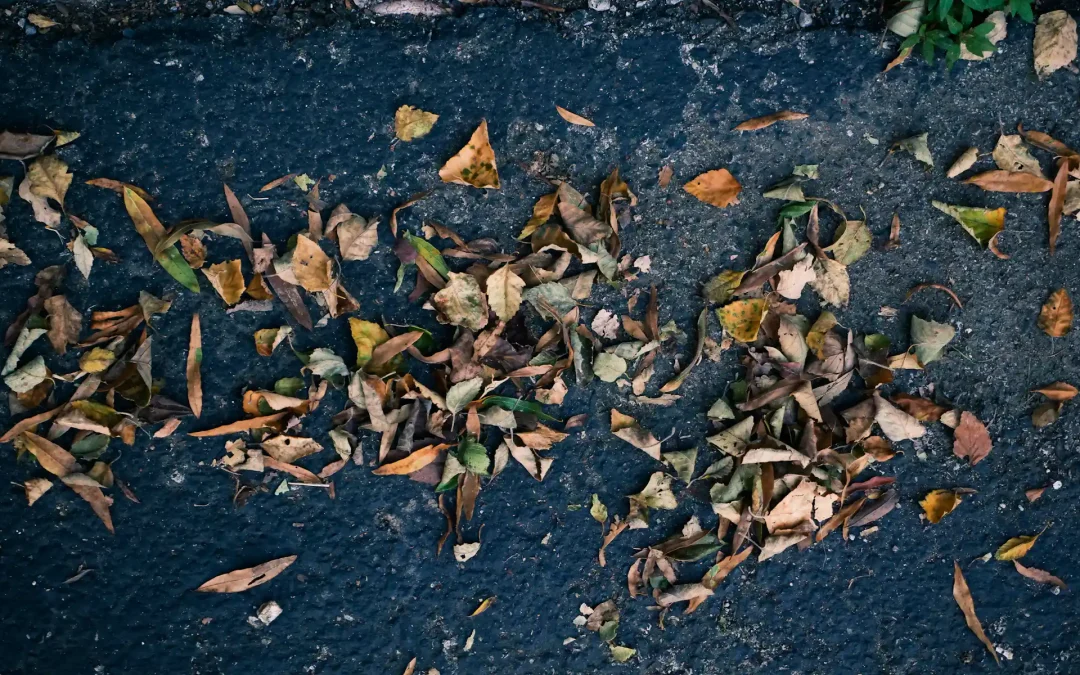
- Leaves and organic debris hold moisture against the slab.
- Oil and grease remain embedded in parking areas.
- Moss and algae retain water on shaded surfaces.
- Freeze-thaw cycles expand water inside pores and cracks.
- Snow and ice increase the time concrete remains wet.
Cleaning the surface in fall removes these materials before winter. It also gives you time to identify cracks, loose joints, drainage problems, and areas with worn or missing sealer.
According to Capitol Concrete’s winterizing guidance, cleaning, repairing cracks, and applying a suitable sealer are important steps for reducing winter-related concrete damage.
Concrete Surfaces That Need Fall Cleaning
Driveways
Driveways receive vehicle traffic, tire residue, oil, grease, dirt, and road salt. Oil stains can penetrate deeply into unsealed concrete. Salt residue can also remain in the pores after snow and ice melt.
Professional driveway cleaning can remove surface grime and treat problem areas before the driveway enters winter. Cleaning also makes it easier to inspect the slab for cracks and surface deterioration.
Patios
Patios collect leaves, soil, food residue, algae, and mildew. Furniture and planters can trap moisture below their bases.
Clean the patio before storing furniture for the season. Ask the contractor to inspect areas beneath planters, along expansion joints, and near landscaping where water may remain after rain.

Walkways and Steps
Walkways and steps can become slippery when algae, moss, and dirt build up. Shaded areas often stay damp longer than exposed concrete.
Cleaning improves traction and removes organic matter that can hold moisture through winter. Pay attention to steps, landings, edges, and areas below downspouts.
Pool Decks
Pool decks can develop algae, sunscreen residue, dirt, and mineral deposits. Even after the pool is closed, the surrounding concrete remains exposed to rain, leaves, and temperature changes.
Use a cleaning method that matches the surface. Decorative, coated, stamped, or colored pool decks may require lower pressure and specialized detergents.
Concrete Around the Home
Concrete near siding, brick, fences, landscaping, and doors may need a different cleaning approach than the slab itself. Protect adjacent surfaces before washing.
Use soft-washing methods for delicate surrounding materials when appropriate. Soft washing uses lower pressure and cleaning solutions to remove organic buildup from surfaces that could be damaged by concentrated pressure.
Why Professional Concrete Cleaning Beats a Rented Machine
A rental machine from a home improvement store may look simple to operate. The equipment can still cause damage when the pressure, nozzle, or cleaning pattern is wrong.
More pressure does not always produce a better result. A concentrated spray can:
- Etch the surface.
- Remove the top layer of concrete.
- Create visible wand marks.
- Leave stripes across the slab.
- Damage expansion joints.
- Spread oil instead of removing it.
- Force water into cracks and nearby structures.
Professional concrete cleaning starts with a surface inspection. The technician checks the material, age, condition, staining, drainage, and nearby surfaces before selecting a method.
Correct PSI for the Surface
Standard, sound concrete may tolerate higher pressure than decorative or damaged concrete. However, the correct pressure depends on the surface condition and equipment.
Many professional cleaners use approximately 2,000 to 3,000 PSI for standard concrete. Older, cracked, scaled, colored, or stamped surfaces may require less pressure.
A contractor should adjust the pressure instead of using one setting for every surface. Ask what pressure range will be used on your driveway, patio, steps, and pool deck.
Surface Cleaners Versus Wands
A surface cleaner uses rotating spray bars inside a round housing. It distributes pressure across a wider area and keeps the spray height more consistent.
This method helps reduce:
- Stripes.
- Uneven cleaning.
- Circular marks.
- Missed sections.
- Excessive pressure in one location.
A wand may still be useful for edges, corners, steps, joints, and spot treatment. Large flat areas usually receive more consistent results with a surface cleaner.
Pre-Treatment for Specific Stains
Different contaminants require different treatments. A pressure washer alone may not remove every stain.
A professional may pre-treat:
- Oil and grease with a concrete-safe degreaser.
- Rust with an appropriate rust treatment.
- Moss and algae with an organic-growth treatment.
- Salt residue with a suitable cleaner.
- Embedded dirt with a detergent and dwell time.
Pre-treatment allows the cleaning solution to loosen the contaminant before rinsing. This can produce a better result than repeatedly increasing pressure.
Old stains may not disappear completely. The final result depends on the age of the stain, the condition of the concrete, and whether the surface has been sealed.

Consider Sealing After Concrete Cleaning
Cleaning and sealing are separate steps.
The concrete must be clean and fully dry before applying sealer. Sealing dirty or damp concrete can trap stains and moisture below the coating.
A penetrating sealer may help reduce water absorption and limit the amount of salt that enters the concrete. Some products are designed for freeze-thaw exposure and deicing-salt resistance.
Ask the contractor:
- Is the concrete suitable for sealing?
- Which sealer is recommended for this surface?
- How long must the concrete dry after cleaning?
- What temperature range is required for application?
- How often should the sealer be reapplied?
Fall temperatures can change quickly. Schedule cleaning and sealing during a dry period with enough time for the concrete to dry before nighttime temperatures approach freezing. Follow the sealer manufacturer’s curing instructions.
The Concrete Channel’s winter maintenance guidance also recommends penetrating sealer, crack maintenance, prompt snow removal, and caution with deicing salt.
Simple Long Island Concrete Maintenance Checklist
Use this checklist before winter:
- Sweep leaves, sand, and loose debris from all concrete.
- Schedule professional concrete cleaning before the first freeze.
- Treat oil, grease, rust, algae, and moss separately.
- Inspect driveways for cracks and surface scaling.
- Check steps and walkways for slippery organic growth.
- Remove furniture and planters from patios.
- Confirm that water does not pool on the slab.
- Ask about sealing after the surface dries.
- Use deicers labeled as suitable for concrete.
- Use sand for traction when practical.
- Remove snow with a plastic shovel.
- Avoid metal tools that can chip the surface.
- Clean winter salt from the concrete when weather permits.

What to Ask Before Hiring Pressure Washing Services
Before booking, ask the company how it handles concrete.
Confirm whether the service includes:
- A surface inspection.
- Pre-treatment for oil, rust, moss, and algae.
- A surface cleaner for large flat areas.
- Pressure adjustments for damaged or decorative concrete.
- Protection for landscaping and nearby surfaces.
- Cleanup of runoff and cleaning solution.
- Drying recommendations before sealing.
- A final inspection after washing.
JMSP Wash provides pressure washing services for Long Island properties, including driveways, sidewalks, patios, decks, pavers, fences, and storefronts. Review the company’s power washing photos to see examples of exterior cleaning work.
Homeowners in Nassau County can also visit the JMSP Wash Nassau County service page for service information. If you are searching for “power washing near me,” confirm that the contractor serves your location and can clean the specific concrete surfaces on your property.
Book Concrete Cleaning Before the First Freeze
Do not wait until spring to address dirty, stained, or slippery concrete. Fall cleaning removes contaminants before salt, sand, moisture, and freeze-thaw cycles affect the surface.
Prepare your driveway, patio, walkway, pool deck, and steps now. Visit jmspwash.com or request a free quote from JMSP Wash to book concrete cleaning before the first freeze.