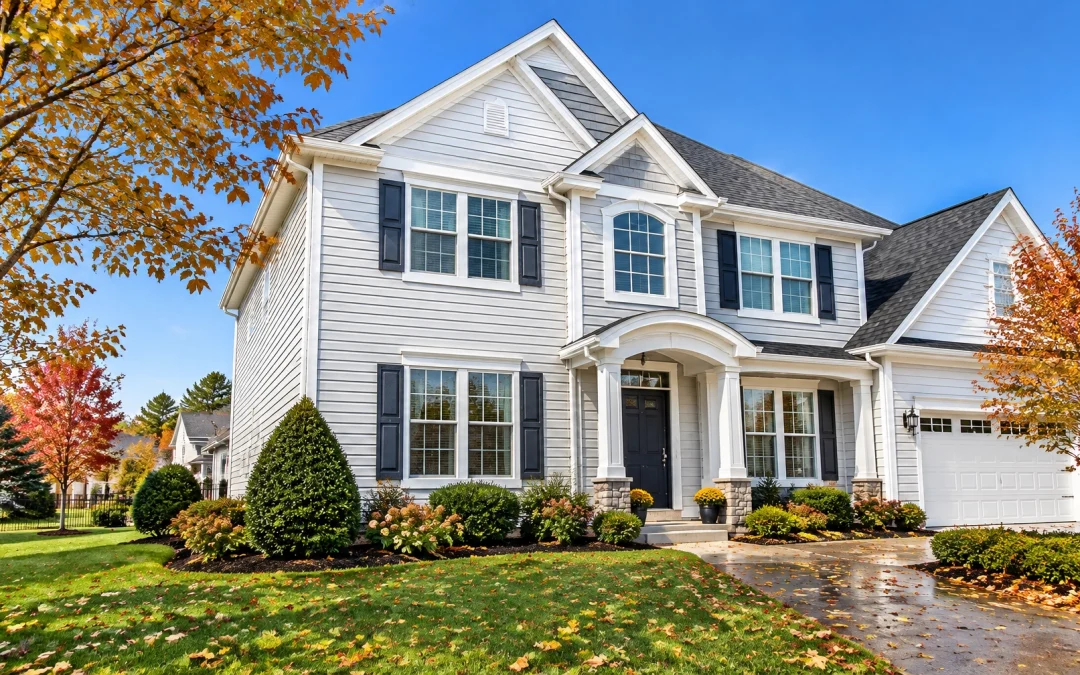
Late October is a narrow window for exterior cleaning in Nassau and Suffolk County. Leaves are still coming down, temperatures are dropping, and a suitable workday depends on the local forecast, not just the calendar. If you’re searching “power washing near me,” use the results to find a responsible local crew, not simply the closest listing or lowest starting price.
Before you book, confirm who will do the work, which method they’ll use on each surface, and whether the weather will allow the job to be completed and dried safely. Here’s a practical checklist.
What “power washing near me” should help you find
Search results can include local service companies, national directories, paid lead-generation sites, and contractors who travel between jobs. A directory may help you discover options, but it may not be the company that arrives at your home.
Look for a clearly identified business that:
- Gives you the same business name on its website, estimate, and insurance documents.
- Names the Nassau or Suffolk communities it serves.
- Can show recent work on surfaces like yours.
- Explains how it will clean your specific property.
- Provides a written quote and a way to contact the person responsible for the job.
Ask who will perform the work and who is responsible if you have a question afterward. A local service-area claim alone doesn’t confirm that a crew is based nearby or familiar with Long Island homes.
Equipment ownership is not a reliable test by itself. A contractor may own, rent, or borrow equipment. Instead, ask who operates it, how it is maintained, and how the crew adjusts the method for each surface. A qualified contractor should be able to explain the process without relying on a high pressure rating as proof of quality.

Match the method to the surface
“Power washing” is often used as a general term for exterior cleaning. The method should still change according to the surface and its condition.
Siding: Vinyl, painted wood, and many stucco surfaces usually call for soft washing. This uses low pressure and an appropriate cleaning solution to treat dirt and organic buildup. High pressure can force water behind siding, damage paint, or mark the surface.
Roofing: Asphalt shingles should not be cleaned with high-pressure water. Ask whether the contractor uses a low-pressure roof-cleaning method and how the crew will protect plants and other property during the work.
Concrete: Driveways and many sidewalks can tolerate more pressure than siding or roofing. The operator should still consider the concrete’s age, condition, and any cracks or exposed aggregate before choosing equipment and settings.
Decking: The correct approach depends on the material and condition. Wood can be scarred by excessive pressure. Composite decking may also have manufacturer care instructions. Ask what the crew will use and whether it has cleaned the same type of deck before.
For more on the difference between methods, see JMS Pressure Wash’s guide to soft washing versus pressure washing.
Check that the contractor is genuinely local and accountable
A business can serve Long Island without being based in your town. What matters is that you can verify the company and the people responsible for the job.
Ask for the business’s legal name and current proof of insurance. Confirm that the name on the insurance certificate matches the name on your quote. Ask whether employees or subcontractors will be on site, and confirm who is responsible for their work.
Check the county’s current contractor information when the work falls under home-improvement licensing requirements. The Nassau County Consumer Affairs page explains licensing requirements. Suffolk County provides home-improvement license information and a contractor search. If you’re unsure whether a particular cleaning job requires a license, ask the relevant county office.
The New York State Attorney General’s contractor guidance recommends checking references, asking for proof of insurance, and verifying licensing where required. It also warns consumers to be cautious of high-pressure sales tactics and contractors who are difficult to verify.
Ask these questions before you book
Get clear answers before agreeing to a date. Keep the questions simple and specific:
- Are you insured for this work? Ask for current proof of general liability insurance. Ask about workers’ compensation coverage for employees where applicable.
- What method will you use on each surface? Ask separately about the siding, roof, concrete, and deck. “We use pressure washing” is not a surface-by-surface plan.
- How will you protect the property? Discuss plants, windows, outdoor fixtures, pets, and any areas with known damage.
- How do you manage runoff? Ask where rinse water will flow and what the crew does if it contains detergent, sediment, oil, or other debris. Do not assume wash water should be directed into a street or storm drain. Suffolk County’s Sanitary Code Article 7 addresses water pollution and stormwater runoff.
- Do you have experience with this kind of property? Ask about similar residential or commercial jobs. A crew experienced with home siding may not have the same experience cleaning a large commercial walkway.
- What does the written quote include? Confirm the surfaces covered, method, cleanup, schedule, and any conditions that could change the price.
If the answers are vague, pause before booking. A clear explanation makes it easier to compare quotes and set expectations.

Why the weather window matters
A calendar date cannot tell you whether your property is ready to be washed. Temperatures vary across Long Island, and the forecast for your town matters. The National Weather Service’s New York Frost/Freeze Program notes that freeze conditions vary by location and advises following local forecasts.
Ask the contractor how it decides whether conditions are suitable. Cleaning solutions and rinse water can freeze in cold weather. Water left on walkways can become an ice hazard, and the crew needs time and conditions that allow surfaces to dry. If temperatures are near freezing, the responsible choice may be to reschedule. Confirm the company’s weather policy before accepting a date.
Late-fall cleaning can also remove leaf residue and existing grime before winter weather adds more moisture and debris. Salt spray near the shore and winter deicing products can leave deposits on concrete. Cleaning existing residue may help reduce staining, but it won’t prevent new salt from being applied later.
Humid coastal conditions support algae and mildew on shaded, damp surfaces. Cold weather can slow organic growth, but it does not remove buildup already on siding, concrete, or a roof. Cleaning before winter gives you a chance to address it before conditions favor growth again.
Book around the property, not just the price
When you compare quotes, make sure each company is pricing the same surfaces and scope. Ask whether the contractor has residential experience, commercial experience, or both. Then compare the cleaning method, insurance documentation, runoff plan, timing, and written scope alongside the total price.
JMS Pressure Wash provides exterior cleaning for homes and businesses. Review its Long Island services and, if you manage a business property, its information on commercial pressure washing.
The remaining fall schedule and weather windows may be limited. If you’re considering exterior cleaning before the first freeze, request a free, no-obligation quote from JMS Pressure Wash. Include your town, the surfaces you want cleaned, and whether the property is residential or commercial. That gives the team a useful starting point for discussing timing and scope.